Spanish, Portuguese & ESL
My goal as a language educator is to cultivate meaningful and lasting connections between students and the communities, cultures, and languages they study. Effective language learning extends beyond the memorization of vocabulary and grammar; it requires authentic communication, cultural engagement, and purposeful interaction with others.
My instructional approach integrates proficiency-oriented teaching, intercultural learning, and communicative practice. Students develop linguistic confidence when they are given opportunities to interpret, negotiate, and express meaning through listening, speaking, reading, and writing in contexts that are relevant and personally meaningful.
These principles guide my work across Spanish, Portuguese, and English as a Second Language (ESL) instruction. Through active learning, collaboration, and reflection, I strive to help students develop communicative proficiency, intercultural competence, and a lifelong appreciation for language learning.
One of the greatest challenges facing language educators is providing students with meaningful opportunities to use the target language beyond the classroom. For more than fifteen years, I have explored a variety of instructional strategies designed to connect learners with authentic language, cultures, and communities in ways that promote communicative proficiency and intercultural growth.
Virtual Exchange, often referred to as Teletandem, is one such strategy. These international partnerships are grounded in the principles of reciprocity, autonomy, and collaboration. Students engage in structured conversations and communicative tasks with peers abroad, using both languages to exchange perspectives, negotiate meaning, solve problems, and explore cultural similarities and differences. These interactions transform language learning from an academic exercise into authentic communication with real people.
Virtual exchanges are only one pathway toward meaningful language immersion. Study abroad programs, service-learning initiatives, community engagement projects, conversation partnerships, and interactions with heritage language communities can provide similarly valuable opportunities for linguistic and cultural development. Regardless of the format, successful immersion experiences require thoughtful instructional design that aligns communicative tasks, cultural themes, and learning objectives with course outcomes.
When carefully integrated into the curriculum, these experiences strengthen speaking and listening proficiency, deepen intercultural understanding, broaden global awareness, and help students develop the confidence necessary to communicate effectively in multilingual and multicultural environments.
Assessment should serve not only as a measure of student performance but also as a tool for reflection, growth, and continuous improvement. For this reason, I incorporate a combination of formative and summative assessment practices designed to help learners monitor their progress and take ownership of their language development.
My assessment philosophy is grounded in proficiency-oriented instruction and emphasizes the interpretive, interpersonal, and presentational modes of communication. Rather than focusing exclusively on discrete grammar points, I evaluate students' ability to comprehend, negotiate, and communicate meaning in authentic contexts through conversations, presentations, projects, and performance-based tasks.
To ensure consistency and rigor, I draw upon the proficiency descriptors and standards established by the American Council on the Teaching of Foreign Languages (ACTFL). Reflection activities, digital portfolios, and ongoing feedback further support student growth by documenting progress and encouraging learners to become active participants in their own language-learning journey.
Throughout my career, I have explored the intersection of language learning, educational technology, instructional media, and human connection. While technological innovation continues to reshape education, effective teaching remains grounded in sound pedagogy, meaningful communication, and strong relationships between learners and instructors. Technology should enhance learning rather than distract from it.
Today's educators face a complex challenge: leveraging the benefits of digital tools while helping students navigate an environment increasingly shaped by distraction, information overload, social media, and emerging technologies such as artificial intelligence. Successful instruction requires thoughtful decision-making about when technology should be used, how it should be used, and when traditional approaches may be more effective.
My goal is to create learning environments that balance innovation with intentionality. Learning management systems, multimedia resources, videoconferencing platforms, virtual exchanges, digital portfolios, and AI-assisted learning tools can expand opportunities for communication, collaboration, creativity, and personalized learning. At the same time, students benefit from structured interaction, face-to-face communication, focused practice, and reflective learning experiences that encourage sustained attention and critical thinking.
Years of experience directing language learning centers, developing instructional media, implementing learning technologies, and supporting online and hybrid learning environments have reinforced an important lesson: technology is most effective when it serves a clear pedagogical purpose and strengthens human connections. Educational decisions should be guided by learning outcomes rather than technological novelty.
I am committed to using technology efficiently and purposefully to improve learning outcomes, increase student engagement, and support instructional excellence. My background in educational technology, curriculum design, instructional leadership, and language pedagogy enables me to evaluate emerging tools critically and integrate them in ways that align with educational goals rather than technological trends.
Ultimately, the most effective language-learning environments combine the strengths of both traditional and innovative approaches. By balancing technology with authentic human interaction, educators can help students develop linguistic proficiency, intercultural competence, digital literacy, and the habits of lifelong learning necessary for success in an increasingly interconnected world.

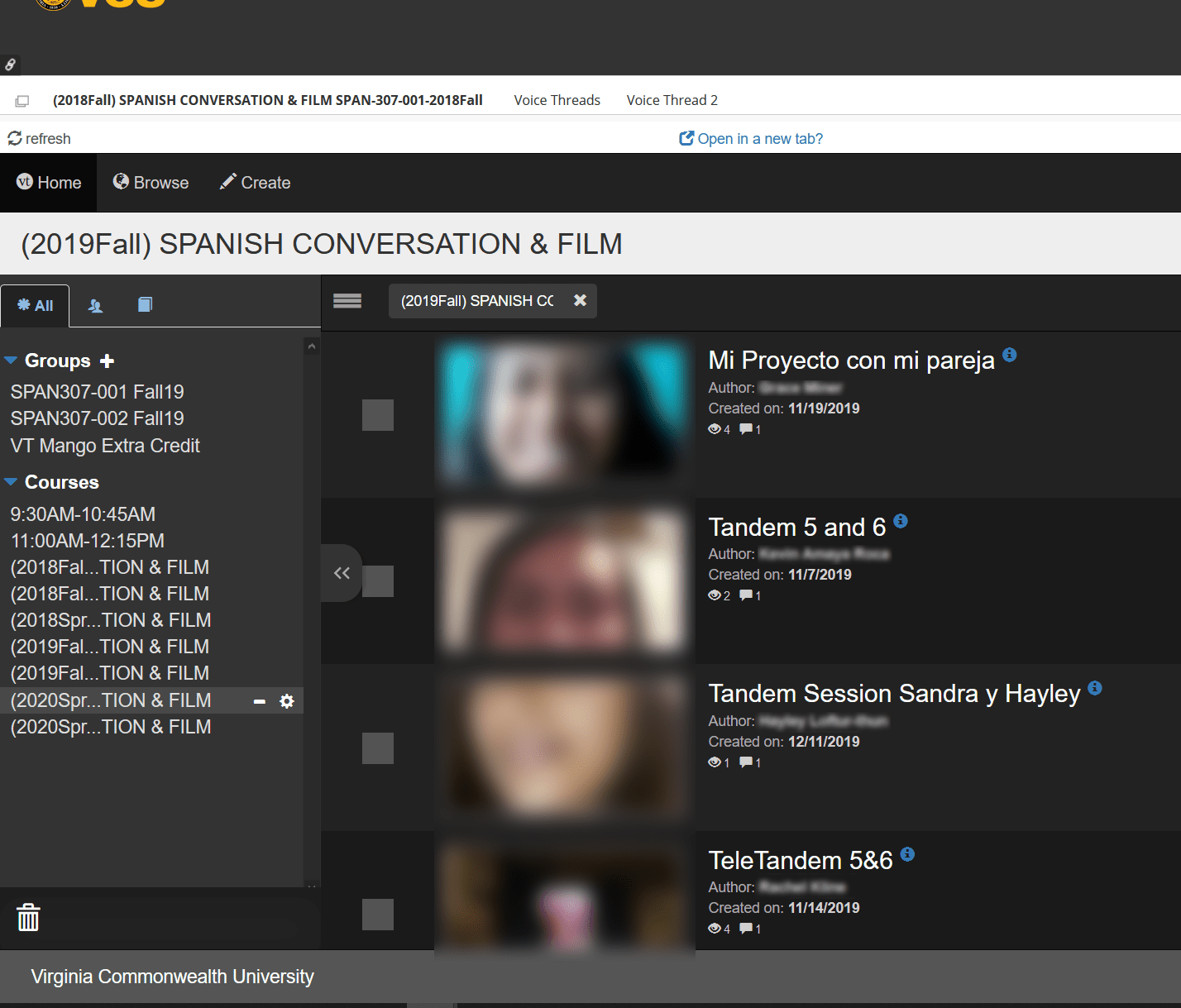

to leave me voice-recorded reflections about their tandem sessions
conducted outside of class.
I have taught Spanish and Portuguese language, grammar, composition, culture, film, conversation, and special topics courses in both secondary and higher education settings. My teaching experience spans introductory language instruction through advanced undergraduate coursework, including courses on Hispanic and Lusophone cultures, language analysis, and the development of communicative proficiency.
My interdisciplinary background in language pedagogy, educational technology, instructional media, virtual exchange, and instructional leadership enables me to design engaging learning experiences that balance academic rigor with meaningful student engagement. Throughout my career, I have sought to connect classroom learning with authentic linguistic and cultural experiences that encourage students to use language purposefully and confidently.
A recurring theme in my teaching has been the integration of experiential learning opportunities beyond the traditional classroom. Through virtual exchanges, collaborative projects, multimedia resources, and international partnerships, my students have engaged with peers and educators throughout the Spanish- and Portuguese-speaking worlds. These experiences have enriched my teaching while helping students develop communicative confidence, intercultural competence, and a deeper understanding of the diverse communities in which these languages are spoken. They have also informed my ongoing efforts to make language learning more creative, dynamic, interactive, and relevant to the realities of an increasingly interconnected world.
My instructional approach is grounded in proficiency-oriented, standards-based language education and informed by the principles of the American Council on the Teaching of Foreign Languages (ACTFL). I design curricula, learning activities, and assessments that support growth across the interpretive, interpersonal, and presentational modes of communication while encouraging students to become independent and reflective language learners.
Ultimately, my goal is to help students develop the linguistic proficiency, cultural understanding, and global perspective necessary to participate successfully in an increasingly interconnected world.